
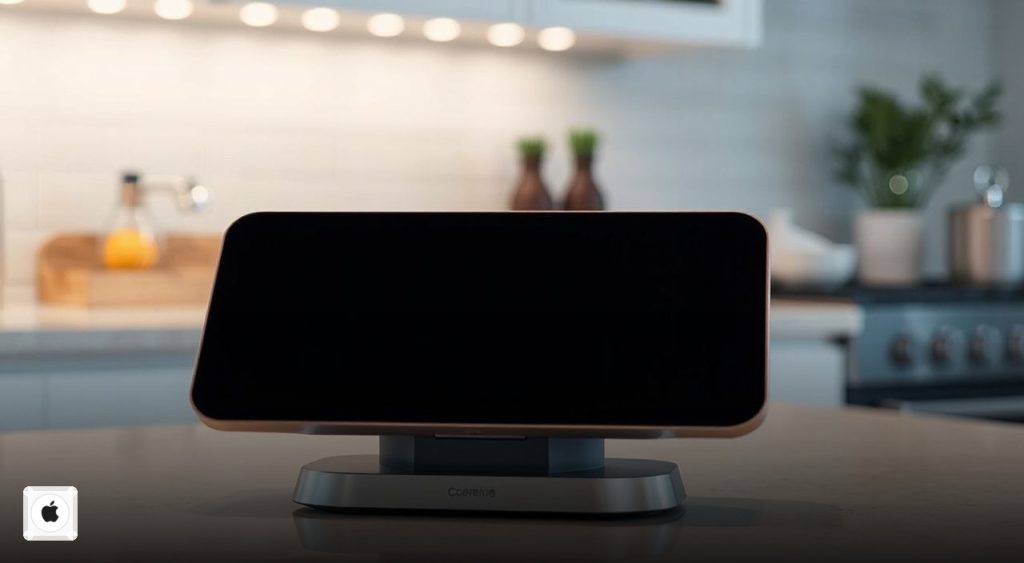
Apple Launches $299 HomeView Smart Hub to Centralize Its AI Ecosystem
Apple introduced Apple HomeView, a $299 smart home hub featuring a 7-inch display and facial recognition, during its "Welcome Home" event on October 13, 2026. Powered by the newly upgraded Siri AI, the device aims to centralize home automation and personal computing, with pre-orders opening today and global shipping slated for November 13.
What hardware and design options does the Apple HomeView offer?
The HomeView is built around a 7-inch Liquid Retina display powered by an Apple-designed A18 chip. The screen features adaptive display technologies, including True Tone, and adjusts brightness from 500 nits down to 0.3 nits to accommodate varying room lighting. Apple is offering two distinct form factors. The countertop model connects to a domed metal speaker base via a stainless steel hinge, available in silver, starlight, rose pink, and space gray. A separate wall-mounted version features a flat, square base and is limited to space gray and silver. According to MacRumors, the wall-mounted model can be attached using purpose-built mounts from Schneider Home, with options for self-installation or professional setup. The device is controlled primarily by voice, though the screen supports touch input.
How does Siri AI personalize the HomeView experience?
The device acts as a centralized command center, utilizing a built-in camera to recognize up to six individual faces. This facial recognition shifts the interface to provide personalized access to Messages, FaceTime, Calendar, and Reminders for each household member. At the core of the software is Siri AI, which leverages Apple Intelligence to understand personal context and onscreen awareness. Unlike iOS devices, TechCrunch reports that the HomeView will not feature a dedicated App Store, relying instead on a limited selection of preloaded Apple applications.
"Apple HomeView is designed to be shared by everyone in the home yet feel completely personal to each user." — Greg Joswiak, Apple’s senior vice president of Worldwide Marketing
The naming convention also reflects this interaction model, with MacRumors noting that the "view" designation highlights a device people "look at and control mainly with their voice".
Why is Apple targeting the smart home market with HomeView now?
Apple’s entry into the dedicated smart home display space is a strategic move to “plug a major hole in its ecosystem”, according to Bloomberg. For years, Amazon’s Echo Show and Google’s Nest Hub have dominated the kitchen counter and hallway display market. By introducing HomeView alongside the new Apple Home Collection—a line of smart cameras, thermostats, and doorbells developed with LG Electronics and Schneider Electric—Apple is attempting to unify its hardware and software under a single, privacy-focused umbrella. The integration of Apple Intelligence allows the hub to cross-reference personal data from an iPhone, offering a level of contextual automation that relies on deep ecosystem integration rather than standalone third-party skills.
What are the release dates for HomeView and related Apple hardware?
Apple has staggered its hardware releases for the fall 2026 season. Pre-orders for both the countertop and wall-mounted HomeView models opened on October 13, with availability beginning on November 13. This launch follows the October 30 release of the updated Apple TV 4K and HomePod mini. Additionally, the announcement arrives shortly after Apple introduced the iPhone Duo, its first foldable smartphone, which becomes available on October 23.
The $299 price point and the absence of a third-party App Store indicate that Apple is prioritizing tight hardware-software integration and privacy over the open ecosystems of its competitors. Success will depend on whether consumers are willing to pay a premium for a display that restricts third-party applications in exchange for deeper Apple Intelligence integration.
Related articles


