HARMAN and Samsung Mark 10 Years as AI-Driven Intelligent Audio Takes Shape for Enterprise Spaces
Samsung Electronics and HARMAN are marking the 10th anniversary of their partnership alongside the 80th anniversary of JBL and the 60th anniversary of Bowers & Wilkins. Beyond the historical milestones, the companies are outlining a strategic shift toward AI-driven "intelligent audio," a development that carries significant implications for IT decision-makers and facility managers overseeing commercial and enterprise audio environments.
What the Samsung and HARMAN Partnership Achieved in 10 Years
Samsung’s acquisition of HARMAN created a combined entity capable of integrating high-fidelity audio engineering with large-scale hardware manufacturing and software ecosystems. Over the past decade, this partnership has focused on embedding HARMAN’s audio expertise, including its AKG brand, into broader technology platforms.
In the commercial and professional sector, HARMAN’s footprint remains substantial. JBL Professional currently powers “over 40% of the world’s cinemas”, alongside stadiums, recording studios, and large-scale venues. For enterprise environments, this decade of integration has laid the groundwork for networked audio systems that bridge consumer-grade convenience with professional-grade acoustic requirements. As Dave Rogers, President of the HARMAN Lifestyle Division, noted in a press release, the company remains committed to carrying its engineering standard forward into the technologies that will power the next generation of sound.
How AI Will Change Context-Aware Audio in Professional Environments
The most critical development for business users is HARMAN’s push toward context-aware audio powered by artificial intelligence. Chief Technology Officer at HARMAN, the company is moving toward experiences that understand context and adapt intelligently to user needs without requiring manual input.
"The breakthrough will not be that our devices can do more. It will be that we have to manage them less," Prommersberger stated in an interview.
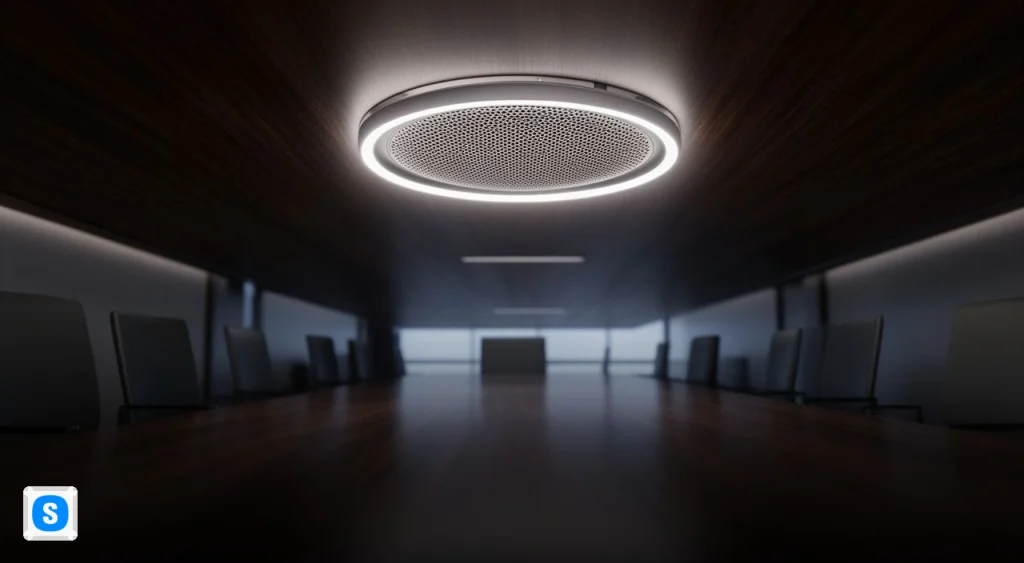
For IT and facility managers, this means enterprise audio systems—such as those in conference rooms, collaborative workspaces, and commercial retail environments—will transition from static, manually configured setups to dynamic, AI-managed ecosystems. Instead of requiring staff to adjust modes or troubleshoot settings, the audio infrastructure will autonomously tailor the sound environment based on room occupancy, ambient noise levels, and the specific activity taking place.
Why JBL and Bowers & Wilkins Maintain Distinct Engineering Philosophies
The foundation of this technological push rests on the distinct engineering legacies of HARMAN’s flagship audio brands. Founded in 1946 by James B. Lansing, JBL has spent 80 years expanding its reach from professional studios to commercial installations, prioritizing sound that connects audiences in large spaces.
Conversely, Bowers & Wilkins, which is celebrating its 60th anniversary, has pursued acoustic precision and fidelity to the original performance. Its 801 loudspeaker served as a reference monitor at Abbey Road Studios, and its Nautilus design utilized a tapered-tube structure to absorb unwanted vibrations. This dual approach ensures that HARMAN can supply both the high-energy, durable audio required for large commercial venues and the precise, reference-grade acoustic engineering needed for specialized professional environments.
What IT and Facility Managers Should Expect from Intelligent Audio
As HARMAN and Samsung deploy AI into their audio hardware, IT decision-makers must evaluate how these systems integrate with existing smart building infrastructure. The shift to autonomous, context-aware audio introduces new requirements for network architecture and data processing.
Specifically, enterprise deployments will need to determine whether audio context processing occurs locally on the device or via cloud services, which directly impacts data privacy and latency in sensitive corporate environments. Furthermore, facility managers will need to ensure that these new intelligent audio nodes can communicate securely with existing IoT building management systems. The success of this technology in the workplace will depend not just on acoustic fidelity, but on the reliability and security of the underlying AI infrastructure.